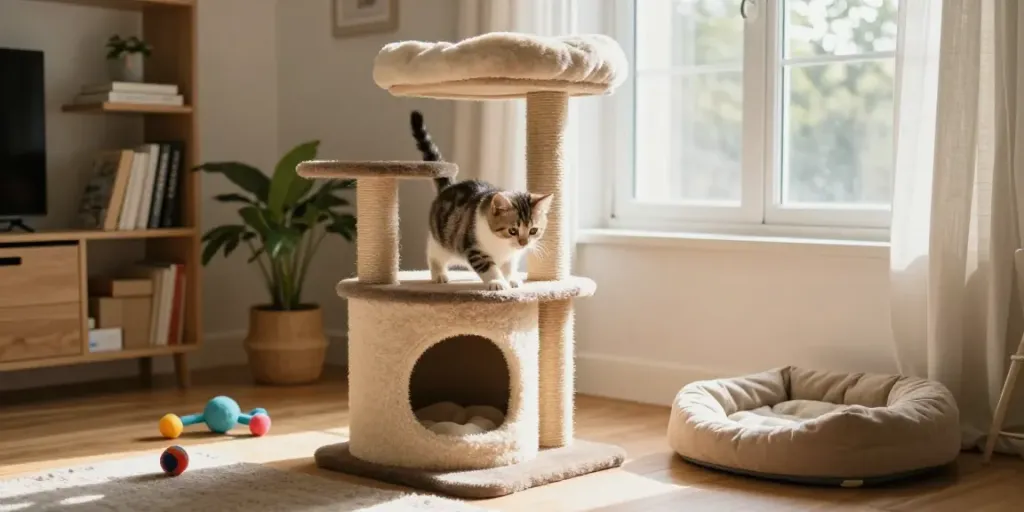
Understanding Cat Towers
In the realm of pet ownership, a cat tower can be a haven for feline friends. These structures not only serve as play areas but also provide multi-level spaces for lounging, scratching, and climbing, which are all essential for a cat's physical and mental wellbeing. As cat owners become increasingly aware of the significance of enriched environments for their pets, the popularity of cat towers has surged. When exploring options, cat tower offer various features that cater to the diverse needs of cats.
What is a Cat Tower?
A cat tower, often referred to as a cat tree, is a multi-tiered piece of furniture designed specifically for cats. It typically includes platforms, scratching posts, and sometimes enclosed spaces like condos. Cat towers can vary widely in size, design, and materials, allowing pet owners to select one that best suits their home and their feline's preferences. They are a fantastic addition to any cat-centric household, providing a safe place for climbing and exploring.
Benefits of Cat Towers for Your Feline Friend
Cat towers provide several benefits that enhance a cat's quality of life. Here are a few essential advantages:
- Physical Exercise: Climbing and jumping on a cat tower promotes fitness, helping to keep cats physically active and prevent obesity.
- Scratching Opportunities: Most cat towers come with designated scratching posts, which satisfy a cat's instinct to scratch and keep their claws healthy.
- Stress Reduction: With vertical spaces to explore, cats can escape from stressors, such as loud noises or other pets, enjoying their own territory.
- Playfulness: Towers encourage playful behaviour, with several levels for climbing and jumping, which can help to alleviate boredom.
Different Types of Cat Towers Available
Cat towers come in various styles, each designed to cater to different feline needs and preferences:
- Basic Cat Towers: These typically feature a few platforms and scratching posts, ideal for budget-conscious owners or smaller spaces.
- Deluxe Cat Towers: Offering multiple levels, condos, and interactive toys, these are perfect for larger breeds or multiple cats, ensuring ample play opportunities.
- Luxury Cat Towers: Made from high-quality materials, these can include designer aesthetics that blend into home decor while providing comfort and functionality.
- Wall-Mounted Cat Towers: These save floor space and provide cats with climbing experiences, making them great for apartments or smaller homes.
Cost Analysis of Cat Towers
Understanding the financial aspects of cat towers can help owners make informed decisions. The price of cat towers varies significantly based on factors like size, build quality, and included features.
Factors Influencing the Price of Cat Towers
Several elements can influence the cost of a cat tower:
- Materials: Towers made from solid wood or high-quality fabrics tend to be more expensive than those made from synthetic materials.
- Brand: Well-known brands may charge a premium due to their reputation for quality and durability.
- Size and Features: Larger towers with more features, like multiple condos and elaborate scratching areas, will typically cost more.
Average Price Range for Different Models
On average, the price of cat towers typically ranges from approximately £30 to over £300. Here’s a breakdown:
- Budget Models: £30 - £80: Basic structures with minimal features.
- Mid-Range Models: £80 - £150: Offer moderate features and quality.
- High-End Models: £150 and above: Robust designs with luxury materials and added features.
Where to Find the Best Deals on Cat Towers
To get the best prices on cat towers, consider shopping both online and in pet stores. Websites like Amazon and specialised retailers often provide sales and a broad selection. Additionally, checking for seasonal sales or discounts can yield significant savings.
Choosing the Right Cat Tower
Selecting a suitable cat tower is vital to ensuring your feline's happiness and wellbeing. Here are several considerations to keep in mind.
Considerations for Size and Space
Before making a purchase, measure the available space in your home. Consider factors such as:
- The tower’s dimensions against your room size.
- The height of the tower, ensuring it doesn’t interfere with ceiling fixtures.
- How many cats will use it; larger households may require more expansive designs.
Materials and Durability Factors
Choosing a tower made from safe, durable materials is crucial. Solid wood and carpeted surfaces are typically more durable than particle board or cheap fabrics. Always check for safety standards in the materials used.
Aesthetic Integration with Home Decor
With an array of designs available, find a cat tower that complements your home’s decor. Many modern cat towers come in stylish finishes that blend seamlessly with your furnishings, making them an attractive addition to your living space.
Maintaining Your Cat Tower
Regular maintenance of your cat tower is essential for safety and longevity. Here are some practical tips:
Cleaning and Care Tips for Longevity
To keep your cat tower in prime condition, consider these cleaning tips:
- Wipe surfaces with a damp cloth regularly to remove hair and dust.
- Vacuum fabric areas to eliminate dirt and allergens.
- Use pet-safe cleaners for any stains or odours.
Common Repairs and Upgrades
Over time, parts of your cat tower may wear out. Consider the following upgrades:
- Replacing scratching posts that have become worn.
- Reupholstering platforms with fresh carpet or fabric.
- Reinforcing weak areas to prevent collapse.
Signs it's Time to Replace Your Cat Tower
It’s essential to know when it’s time to replace your cat tower. Look for:
- Visible damage or wear that compromises safety.
- Unpleasant odours that can’t be eliminated.
- Parts that have detached or broken off.
Future Trends in Cat Towers
As the pet furniture market evolves, several trends are emerging related to cat towers that owners should be aware of.
Innovative Features to Look for in 2026
In 2026, expect to see more innovative features in cat towers, such as:
- Integrated toys with motion sensors to encourage play.
- Modular designs that allow customization and expansion.
- Built-in litter areas to streamline pet care.
Sustainable Materials and Eco-Friendly Options
Eco-friendly materials are becoming increasingly popular, with more manufacturers opting for sustainable wood and non-toxic fabrics. This not only helps the environment but ensures the safety of your pets.
How Technology is Shaping Cat Furniture
Technology is also influencing cat furniture, with smart features such as:
- Remote-controlled climbing platforms.
- App-connected toys that can interact with your cat, enhancing engagement.
What are Cat Owners Asking? FAQs
How to Measure Your Space for a Cat Tower?
To accurately measure your space, ensure you account for the width and height of the tower. Use a tape measure to determine the dimensions of the intended area, factoring in the surrounding furniture to provide adequate space for your cat's movement.
Can Cat Towers Help with Behavioural Issues?
Yes, a well-designed cat tower can alleviate behavioural problems such as scratching furniture or excessive meowing, by providing an appropriate outlet for climbing, scratching, and exploring.
What Should I Look for in a DIY Cat Tower?
For a DIY cat tower, focus on sturdy materials, safety features, and accessibility. Ensure that the design incorporates different levels and scratching surfaces to cater to your cat’s natural instincts.
How Often Should I Replace My Cat's Tower?
It's advisable to assess your cat tower annually for wear and tear. Depending on usage and quality, most cat towers should be replaced every 3 to 5 years.
Are There Any Safety Standards for Cat Towers?
Yes, reputable manufacturers adhere to safety standards, ensuring that materials used are non-toxic and that the structure is stable enough to prevent accidents.