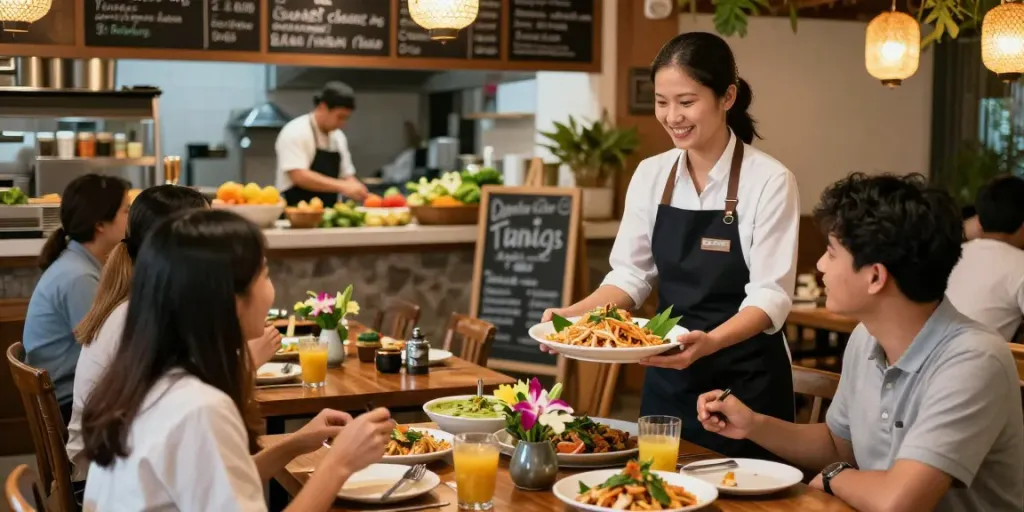
Understanding the Essence of Thai Cuisine
Thai cuisine is renowned for its vibrant flavors, unique ingredients, and rich cultural heritage. Rooted in a complex interplay of history, geography, and trade, Thai cooking seamlessly blends sweet, salty, sour, and spicy elements to create dishes that are both delicious and visually appealing. For those who are curious about authentic Thai flavors, kinalyrestaurant.com offers insights into the culinary nuances that define this extraordinary cuisine.
Historical Influences on Thai Cooking
The evolution of Thai cuisine can be traced back centuries and is influenced by a variety of cultures, including Chinese, Indian, and Malay. The introduction of ingredients such as chili peppers from the Americas has significantly shaped the flavor profiles we associate with Thai food today. The country's geographical diversity, from coastal regions to mountainous areas, has also contributed to a wide range of local specialties, each with unique tastes and preparation methods.
Key Ingredients that Define Thai Flavors
At the heart of Thai cuisine are a select few ingredients that create its signature flavors. Fresh herbs like cilantro, basil, and mint provide aromatic qualities, while staples such as fish sauce and shrimp paste add depth to the dishes. Coconut milk is frequently used to balance the heat from chilies, resulting in comforting curries and soups. Understanding these ingredients is essential for anyone looking to replicate authentic Thai recipes at home.
Tradition Meets Modernity in Thai Dishes
While traditional Thai cooking remains popular, modern interpretations have sprouted in cities worldwide. Chefs are exploring novel techniques and fusion elements to attract a broader audience. Dishes may incorporate local ingredients while maintaining the essence of Thai flavors, showcasing the adaptability and evolution of this beloved cuisine.
Common Mistakes in Thai Cooking
Even seasoned cooks can fall prey to missteps when preparing Thai dishes. By understanding common pitfalls, you can elevate your cooking and create more authentic flavors. Here are some frequent mistakes to avoid:
Overlooking Ingredient Quality
Quality is paramount in Thai cooking. Fresh, high-quality ingredients can significantly enhance the flavor of your dishes. Avoid using stale spices or pre-packaged sauces, as they may lack the punch that fresh ingredients provide.
Misbalancing Flavors in Dishes
Thai cuisine thrives on the balance of flavors. A common error is not adjusting the sweet, salty, sour, and spicy components properly. Always taste as you cook and adjust accordingly to achieve that harmonious blend that defines Thai food.
Neglecting Cooking Techniques
Cooking techniques play a critical role in the preparation of Thai dishes. Whether stir-frying, steaming, or grilling, each method adds texture and flavor. Neglecting proper techniques can lead to subpar results and dull flavors.
Mastering Essential Thai Cooking Techniques
To truly excel in Thai cooking, mastering key techniques is vital. These methods can make a significant difference in the authenticity and quality of your dishes.
Perfecting Stir-Frying Methods
Stir-frying is a fundamental cooking method in Thai cuisine. It involves high heat and quick cooking to preserve the freshness of vegetables and proteins. Using a wok and learning to manage the heat effectively can result in a perfect stir-fry that is both flavorful and visually appealing.
Understanding Infusion in Broths and Curries
Infusion is crucial in creating rich and aromatic broths and curries. Using fresh herbs and spices can create layers of flavor that enhance the dish's depth. Simmering ingredients together allows flavors to meld beautifully, making for a more satisfying meal.
Garnishing Like a Pro: Tips and Tricks
Garnishing is an art in Thai cuisine, providing not only visual appeal but also enhancing flavor profiles. Fresh herbs, lime wedges, or sliced chilies can elevate a dish, adding freshness and color. Consider garnishing with elements that complement the main dish, creating a harmonious presentation.
Building a Menu that Reflects Authenticity
If you aspire to run a Thai restaurant or even just want to impress guests with your cooking, constructing a menu that embodies authenticity is essential. Here are some factors to consider:
Crafting Signature Dishes
Your menu should showcase dishes that highlight the essence of Thai cuisine. Signature dishes such as Pad Thai, Tom Yum soup, and Green Curry should be meticulously prepared to ensure they are true to their origins while reflecting your unique style.
User-Centric Menu Design Principles
Understanding your audience is crucial to menu design. Offering a mix of traditional and modern dishes can cater to various preferences while keeping the Thai essence intact. Clear descriptions and a focus on seasonal ingredients can also entice diners to explore and enjoy.
Seasonal Ingredients and Menu Rotation
Utilizing seasonal ingredients not only enhances flavor but also supports local farmers and sustainability. Rotating your menu based on seasonal availability can keep your offerings fresh and exciting, encouraging repeat visits from customers.
Future Trends in the Thai Culinary Scene
The culinary landscape is always evolving, and Thai cuisine is no exception. Several trends are emerging that could shape the future of this vibrant cooking style:
Embracing Sustainable Practices
As sustainability becomes increasingly important worldwide, Thai restaurants are adopting eco-friendly practices. This includes sourcing ingredients locally, reducing waste, and offering plant-based options that align with modern dietary preferences.
Fusion Cuisine: Blending Cultures in Cooking
Fusion cuisine continues to thrive as chefs blend traditional Thai flavors with elements from other culinary traditions. This approach not only expands the palate but also introduces new audiences to the richness of Thai cuisine.
Technology's Role in Modern Thai Restaurants
Technology is influencing how restaurants operate, from online ordering and delivery services to innovative kitchen equipment. Restaurants are leveraging these advancements to enhance customer experience and streamline operations.
What Can You Learn from Others' Experiences?
Learning from established chefs and restaurant owners can provide invaluable insights into running a successful Thai food establishment. Participating in culinary workshops, attending food festivals, and engaging with culinary communities can facilitate this knowledge exchange.
Tips for Starting Your Own Thai Restaurant?
Starting a Thai restaurant involves careful planning and understanding of the market. Identifying your niche, securing reliable suppliers for authentic ingredients, and creating a welcoming atmosphere are all critical components for success.
How to Perfect Your Pad Thai Recipe?
Pad Thai is a beloved dish that requires balance and precision. It is essential to focus on the quality of noodles, the balance of sauce, and the freshness of vegetables and proteins. Mastering this dish can set the tone for your culinary reputation.
What Ingredients are Essential for Authentic Thai Cooking?
Building a pantry for Thai cooking should include staples such as fish sauce, tamarind, palm sugar, and a variety of fresh herbs. These ingredients are foundational to achieving the authentic flavors that characterize Thai cuisine.
How to Balance Flavors in Thai Dishes?
Achieving the right balance of flavors is essential in Thai cooking. It often requires adjusting sweetness, acidity, and saltiness to create a harmonious dish. Regular tasting during cooking is vital for reaching that perfect equilibrium.
What Equipment is Necessary for Thai Cooking?
Equipping your kitchen with essential tools like a wok, mortar and pestle, and high-quality knives can significantly enhance your Thai cooking experience. These tools allow for precise preparation and authentic cooking techniques.