
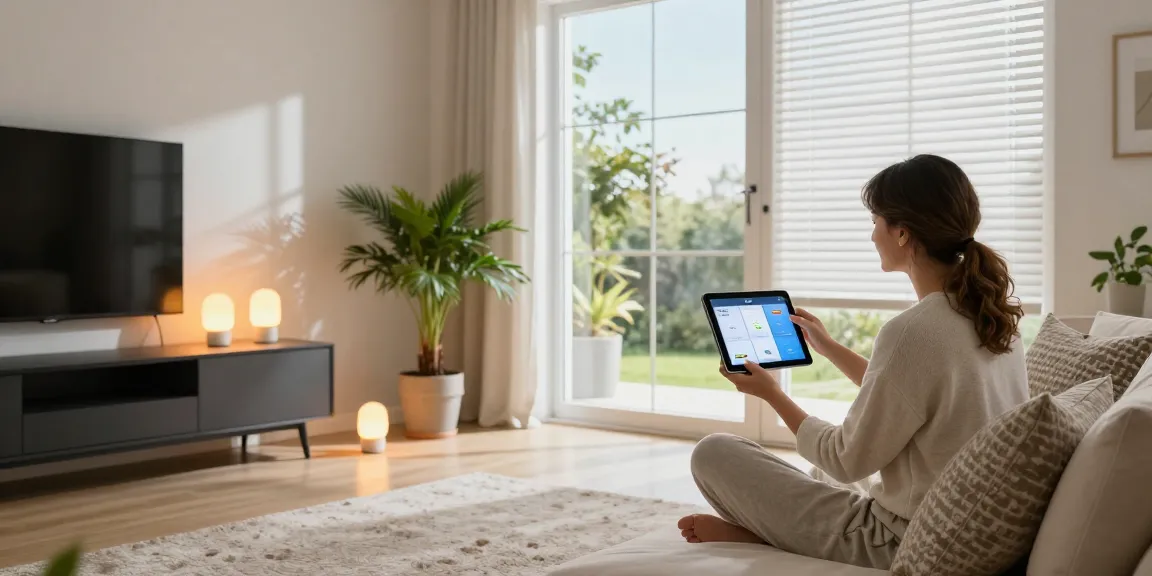
Understanding the IKEA Smart Home Concept
The IKEA smart home initiative is revolutionizing the way we interact with our living spaces, making homes not only more functional but also more enjoyable. With increasing consumer interest in smart technologies, IKEA has stepped into the arena by offering a variety of products that not only embody practical utility but also align with their core ethos of affordability and simplicity. When exploring options, IKEA smart home products combine creativity with advanced technology to provide solutions that enhance daily living.
What is the IKEA Smart Home?
The IKEA smart home refers to a suite of connected devices that are designed to work together seamlessly, making everyday tasks easier and more efficient. This concept integrates various home automation technologies that allow users to control lighting, temperature, security systems, and other household functions through a centralized application. With the help of the IKEA Home smart app, users can manage their devices remotely, set schedules, and even receive notifications for specific events, effectively placing control at their fingertips.
Core Features of IKEA Smart Home Products
- Integration with Matter: Many of IKEA’s products are designed to work with Matter, a connectivity standard that ensures compatibility across different smart home ecosystems.
- User-friendly Control: The IKEA Home smart app is intuitive, allowing users to easily navigate and manage their devices, whether it’s dimming lights or adjusting the thermostat.
- Affordability: Staying true to its mission, IKEA offers budget-friendly smart home solutions without compromising on quality or functionality.
- Scalable Ecosystem: IKEA’s smart home products can be expanded over time, allowing users to start with a few devices and gradually incorporate more into their setup.
How IKEA Smart Home Enhances Daily Living
The convenience of a smart home can profoundly affect your daily routine. Imagine coming home to a perfectly lit living room, set to your preferred brightness, while your heating system adjusts to a cozy temperature in anticipation of your arrival. With IKEA’s smart home products, these scenarios are not just dreams; they can become part of your daily life. By integrating smart technology into your home, you can improve efficiency, save energy, and create a seamless living experience that adapts to your lifestyle.
Latest Trends in Smart Home Technology
2026 Innovations in Smart Home Devices
The landscape of smart home technology is ever-evolving, with 2026 showcasing significant innovations that focus on enhanced usability, interconnectivity, and user experience. Devices now feature advanced AI capabilities that allow for predictive learning, where the system adapts to your habits and preferences, optimizing performance and convenience.
Integration with Matter: What You Need to Know
With the rise of Matter as a standard in smart home connectivity, many manufacturers, including IKEA, are aligning their products to ensure compatibility across various devices and ecosystems. This means that consumers can mix and match products from different brands without concern for operational incompatibility. The IKEA smart home offerings fully embrace this standard, making them a versatile choice for anyone looking to build a comprehensive smart home system.
Comparative Advantages of IKEA Smart Home Products
IKEA smart home products have several distinct advantages over competitors. Firstly, their emphasis on affordability makes these devices accessible to a broader audience. Additionally, the design philosophy of IKEA, which prioritizes simple aesthetics and user-friendliness, ensures that smart home technology can fit seamlessly into any home decor. Moreover, the scalability of IKEA’s product line allows users to enhance their smart home setup incrementally, making it less daunting and more financially manageable.
Setting Up Your IKEA Smart Home
Essential Products to Get Started
To kickstart your journey into the IKEA smart home ecosystem, consider acquiring the following essential products:
- DIRIGERA hub: This serves as the brain of your smart home, connecting all of your devices together.
- Smart Lighting: Including bulbs and lighting kits that can be controlled remotely.
- Smart Blinds: For automated light control and privacy.
- Smart Speakers: To integrate audio into your smart home experience.
Step-by-Step Installation Guide
Installing your IKEA smart home products is relatively straightforward. Begin by setting up the DIRIGERA hub, connecting it to your Wi-Fi network. From there, use the IKEA Home smart app to add each device, following the prompts for pairing. Make sure to place devices within range of the hub to ensure optimal connectivity and performance. Once connected, you can start customizing your settings and routines, creating an automated environment that suits your preferences.
Configuring Your IKEA Smart Home System
Once your devices are installed, configuring them for use is an essential next step. In the IKEA Home smart app, you can set schedules for your lights, create scenes for different times of the day, and even integrate voice control features if you use virtual assistants like Alexa or Google Assistant. This level of customization allows you to tailor your smart home experience precisely to your lifestyle.
Maximizing Efficiency and Convenience
Tips to Optimize Your Smart Home Experience
To get the most out of your IKEA smart home setup, consider the following tips:
- Utilize Schedules: Programming devices to operate on schedules can save energy and streamline daily tasks.
- Group Devices: Create groups within the app to control multiple devices simultaneously, enhancing convenience.
- Explore Automation: Set up automation triggers based on time of day or specific activities, such as turning on the lights when entering a room.
Common Challenges and Solutions
While transitioning to a smart home, users may encounter several challenges. Connectivity issues can arise if devices are too far from the hub. To combat this, consider investing in Wi-Fi extenders. Another common challenge is the initial learning curve associated with the smart home app. Taking the time to explore app features through tutorials can significantly enhance user experience and confidence.
Real-World Case Studies of Successful Implementations
Numerous users have successfully integrated IKEA smart home technology into their lifestyles. For instance, a family in a suburban home utilized smart lighting in conjunction with automated blinds to improve their energy efficiency and comfort. By scheduling lights to dim at night and utilize natural light through smart blinds during the day, they noted a significant reduction in energy costs while enhancing their living environment.
The Future of Smart Home Living with IKEA
Emerging Trends: What’s Next for IKEA?
The future of smart homes looks promising, with IKEA at the forefront of innovation. Emerging trends suggest a shift towards more sustainable and energy-efficient products, as consumers become increasingly conscious of their environmental impact. IKEA plans to embrace these trends by expanding their range of eco-friendly smart devices, ensuring that their products not only enhance comfort but also align with sustainability goals.
Expert Predictions on Smart Home Evolution
Industry experts predict that the smart home market will continue to expand, with a greater focus on AI and machine learning. This would facilitate more personalized experiences, as devices learn from user preferences and behaviors. Additionally, with the ongoing integration of smart home products with other aspects of daily life, such as health monitoring and security systems, consumers can expect a more interconnected and responsive home environment.
Preparing for Future Integration with New Technologies
To stay ahead in the smart home revolution, consumers should remain informed about new technologies and how they interact with existing systems. This proactive approach will allow users to seamlessly integrate future innovations, ensuring their smart home systems evolve in a way that maximizes efficiency and enjoyment. Moreover, understanding software updates and compatibility will be crucial as newer devices and functionalities enter the market.
What makes IKEA’s smart home products unique?
IKEA’s focus on affordability, simplicity, and design coherence sets its smart home products apart from many competitors. This unique approach ensures that consumers can create a cohesive smart home environment without breaking the bank or sacrificing aesthetic appeal. The brand’s commitment to functionality and ease of use also means that users can enjoy advanced technology without the usual complexities.
How does IKEA ensure compatibility with existing smart devices?
By embracing the Matter standard, IKEA ensures that its smart home products are compatible with a wide range of other smart devices. This investment in cross-brand compatibility allows customers to expand their systems without concern for interoperability issues.
Can I customize my IKEA smart home setup?
Yes, one of the standout features of the IKEA smart home system is the extensive customization options available through the IKEA Home smart app. Users can tailor their setups to fit their unique needs and preferences, ranging from scheduling routines to creating lighting scenes based on specific activities.
What support options are available for IKEA smart home users?
IKEA offers comprehensive support for its smart home users through its website, including manuals, troubleshooting guides, and FAQs. Additionally, customers can access in-person assistance at IKEA locations or use the chat support feature in the Home smart app for real-time help.
Are IKEA smart home products energy-efficient?
Yes, many of IKEA’s smart home products are designed with energy efficiency in mind. Smart bulbs, for example, use significantly less energy compared to traditional lighting. Furthermore, the ability to automate and schedule devices helps consumers reduce unnecessary energy consumption, contributing to both cost savings and environmental sustainability.